Exploring the Science of Canine Healthy Aging
Evidence-based perspectives on aging biology, nutrition, biomarkers, and the emerging science of canine geronutrition.

Biomarkers in Canine Aging Research
Interpretation, Variability, and Limits
Biomarkers can provide valuable windows into biological aging, but no single measurement tells the whole story.
Explore how biomarkers should be interpreted within the broader context of physiology, study design, individual variability, longitudinal change, and functional outcomes.
Read the Insight →Explore the Science
Perspectives on the biology of aging and the role nutrition may play in supporting healthy function across the canine lifespan.
 01
What Is Canine Geronutrition?
An introduction to the emerging intersection of nutrition, aging biology, and long-term functional health in dogs.
 02
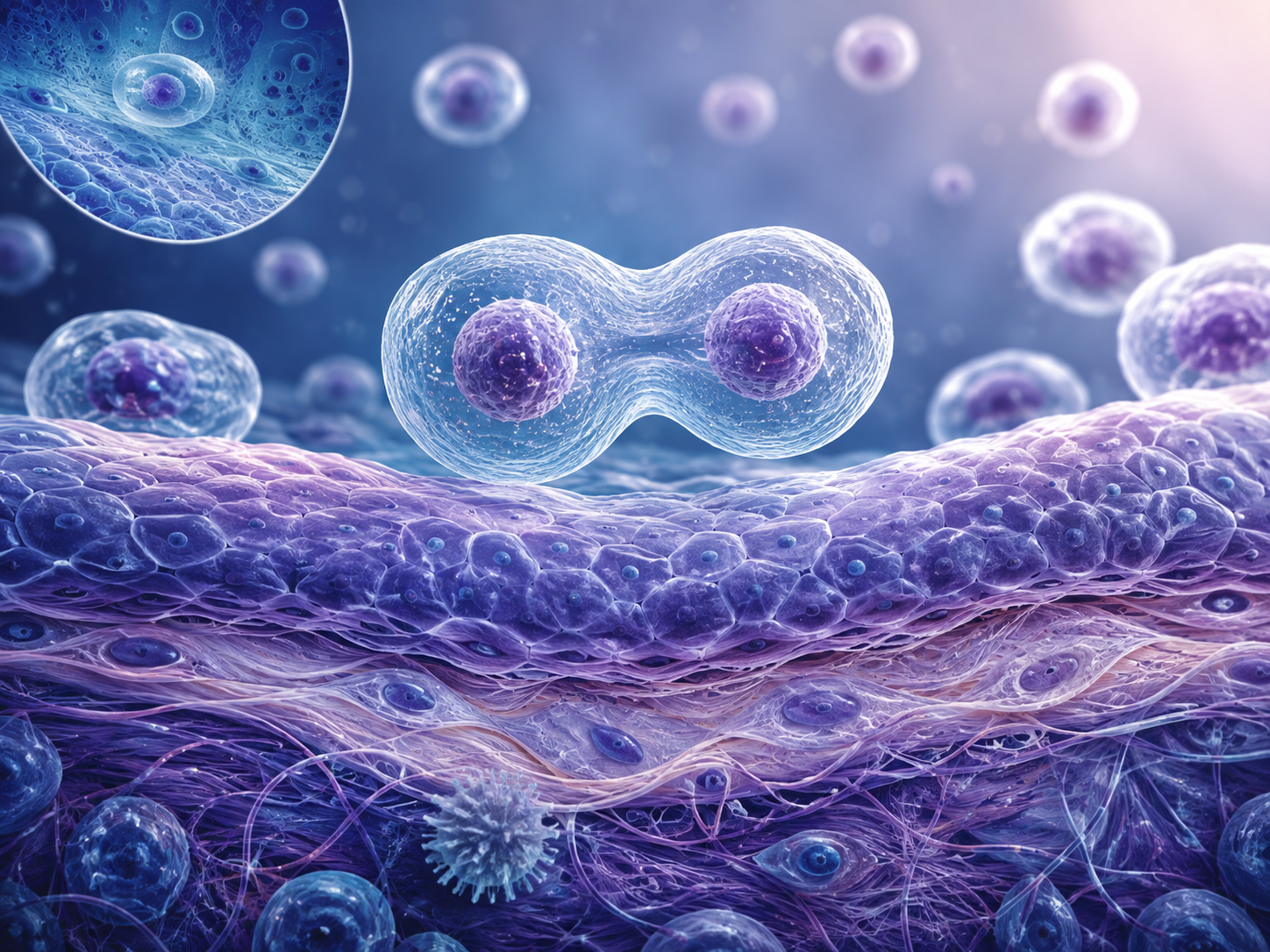
Cellular Turnover and Nutrient Demand in Aging Dogs
How tissue renewal, cellular maintenance, and changing physiological demands may influence nutritional requirements across the aging process.
 03
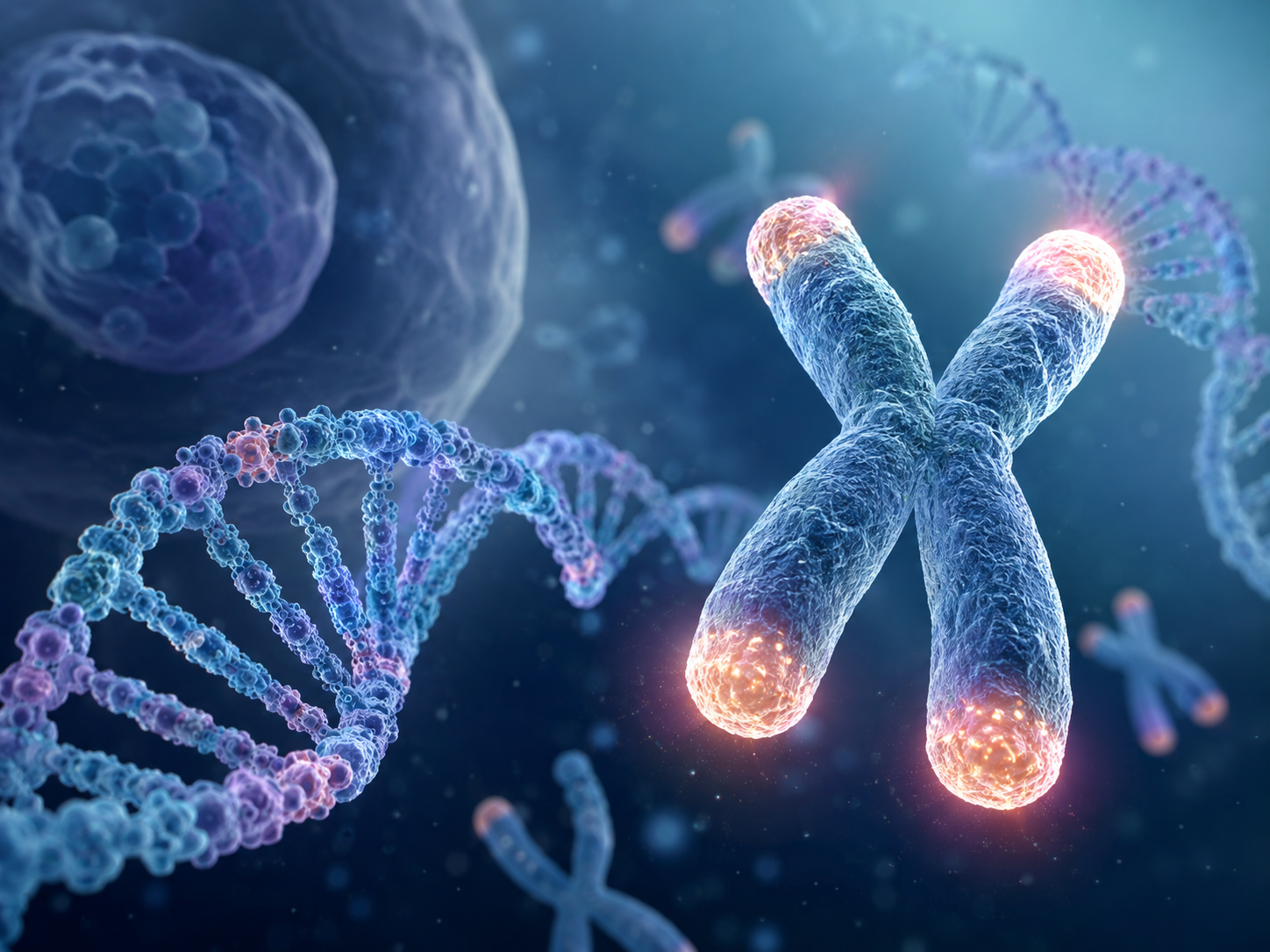
Telomere Dynamics in Companion Animals
Telomeres are frequently associated with biological aging, but their interpretation is more nuanced than a simple “longer is better” narrative.
 04
Understanding Evidence in Canine Aging Research
From mechanistic observations to controlled interventions: what different levels of scientific evidence can—and cannot—tell us.
 05
What Makes an Aging Biomarker Useful?
Reliability, biological relevance, repeatability, and responsiveness determine whether a biomarker is scientifically useful—or simply interesting.
 06
Nutritional Resilience Across the Canine Lifespan
Healthy-aging nutrition may be less about targeting one isolated pathway and more about supporting resilience across interconnected physiological systems.
No insights are currently available in this category.

“The question is not whether aging biology can be measured. The harder question is what those measurements actually mean for function, resilience, and healthspan.”
CGI focuses not only on what changes with age, but on the quality of evidence connecting those changes to meaningful canine health outcomes.
Science advances through evidence— and careful interpretation.
Throughout CGI Insights, we distinguish established evidence from study observations, mechanistic hypotheses, exploratory findings, and areas where scientific uncertainty remains.
How we interpret the science →Findings supported consistently across appropriate scientific evidence.
Meaningful evidence exists, while important questions remain unresolved.
Early findings requiring replication and further independent investigation.
Conclusions that cannot currently be supported by sufficient evidence.